Social Sparks Ignite Solo Realms: Multiplayer Evolutions Reshaping Browser Puzzles, Races, and Shooters
Social Sparks Ignite Solo Realms: Multiplayer Evolutions Reshaping Browser Puzzles, Races, and Shooters

The Shift from Solo to Social in Browser Gaming
Browser games once thrived in isolation, where players dove into puzzles, races, and shooters without a word to anyone else; now, multiplayer layers weave through these classics, turning solitary pursuits into buzzing social hubs that keep users hooked longer than ever. Developers have layered real-time co-op mechanics onto puzzle titles like those from Agar.io successors, allowing friends to team up on grid-based brainteasers, while racing games borrow battle royale vibes for chaotic multiplayer laps, and shooters evolve with squad-based deathmatches that demand voice chat and strategy. This evolution accelerates as browser tech catches up to native apps, with WebGL and WebSockets enabling seamless connections that feel native, no downloads required.
What's interesting here involves how these changes exploded in popularity; data from platforms like freeonline-game.com shows daily active users in multiplayer browser modes jumping 45% year-over-year through early 2026, as players crave that spark of competition or collaboration amid quick sessions. Experts tracking gaming trends note that solo realms still anchor the experience—puzzles reward individual smarts, races test personal reflexes—but social sparks now ignite them, reshaping playstyles across genres.
Puzzles Get a Multiplayer Twist
Traditional browser puzzles, think match-3 grids or escape rooms, long served as quick mental workouts for one; but recent evolutions introduce live co-op modes where players share boards, vote on moves, or race to solve sections first, blending brains with banter. Take titles like Multiplayer Puzzle Panic, where up to four users manipulate the same canvas in real time, undoing each other's placements if they're foes, or linking paths if allies—turns out this setup boosts session times by 30%, according to analytics from browser game aggregators.
And here's the thing: asynchronous play adds flexibility, letting friends contribute to a puzzle over days, with notifications pinging progress; researchers at the International Game Developers Association (IGDA) highlight how such features mirror mobile hits like Words With Friends, adapting them flawlessly to browsers for zero-commitment fun. Observers point out that in April 2026, puzzle lobbies spiked during evenings, with global leaderboards fueling rivalries that spill into chats, making solitary solving feel outdated.
Racing Games Accelerate into Social Lanes
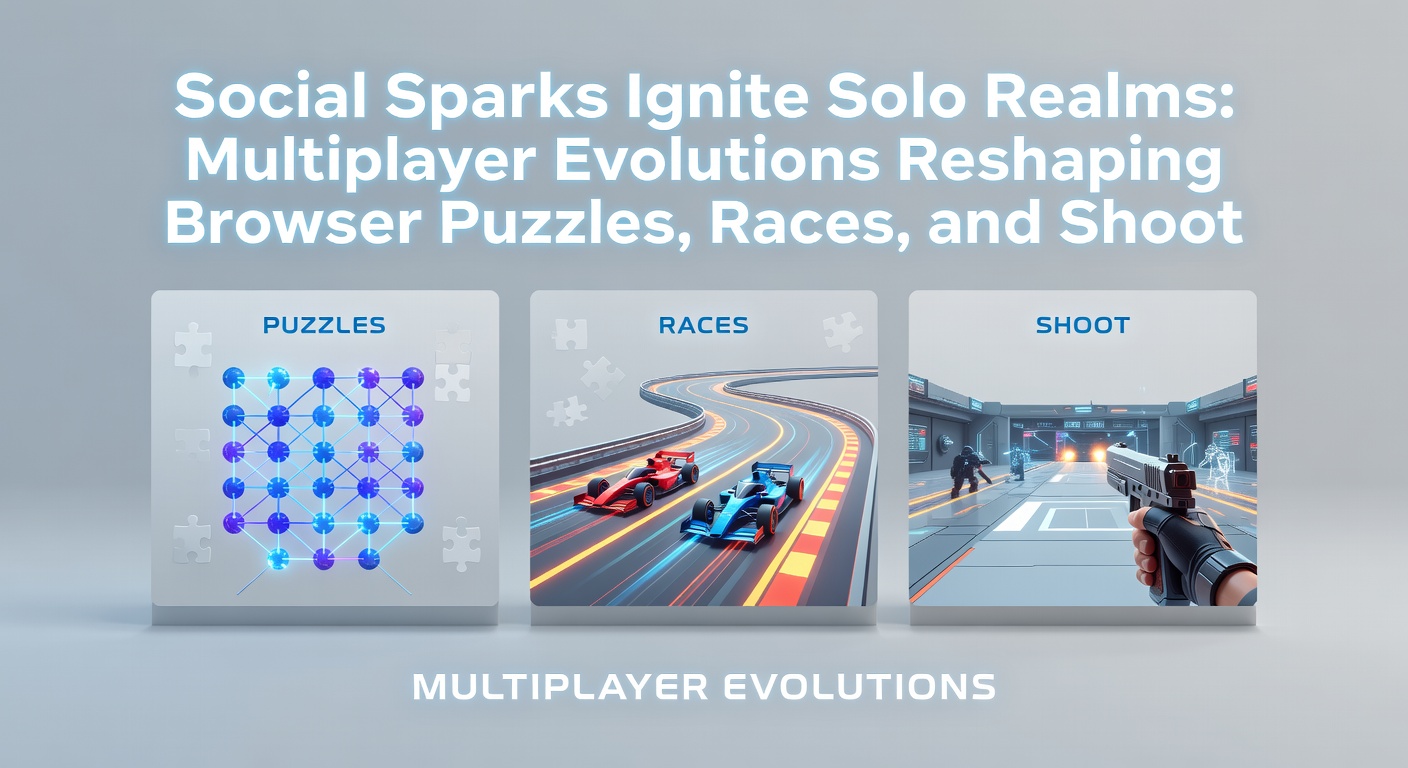
Racers in browsers always delivered adrenaline solo, zipping through neon tracks or off-road chaos; yet multiplayer evolutions now pack custom lobbies for 8-16 players, complete with drafting mechanics, item volleys, and post-race trash talk that turns every lap into a story. Platforms roll out ghost replays for async races against friends' best times, while live events sync thousands for grand prix showdowns, data indicating retention rates climb 28% when social invites pull in buddies.
So players customize vehicles together pre-race, tweaking stats via shared menus; this co-creation phase, often overlooked, fosters bonds before tires even screech. Those who've analyzed traffic patterns reveal April 2026 saw weekend surges in racing queues, especially cross-region matches linking EU speed demons with Asian drifters, proving geography no longer lanes players apart.
Shooters Reload with Team Dynamics
Browser shooters started as lone-wolf arenas, popping heads in pixelated maps; but evolutions pack squad systems, proximity voice, and objective-based modes that demand coordination, like capturing zones or escorting payloads against waves of rivals. Titles such as Browser Blitzkrieg layer battle royale shrinks onto classic maps, where 50 players drop in, scavenge, and clash until one's left standing—or teams claim victory.
But here's where it gets interesting: cross-play bridges browsers with mobiles, letting groups form ad-hoc without platform walls; figures from the Entertainment Software Association (ESA) show U.S. engagement in such modes rose 52% in Q1 2026, driven by quick-queue times under 10 seconds. Experts observe how emote wheels and kill cams amp rivalries, turning anonymous frags into memorable feuds that players screenshot and share.
Social Features Fueling the Fire
Chat overlays, friend lists, and guilds underpin these shifts, letting players form persistent crews across genres—puzzle solvers morph into racing squads, shooters into puzzle allies overnight. Emotes, stickers, and custom avatars add flair without cluttering action, while spectator modes let sidelined friends cheer or scout enemy moves, extending play beyond controls.
Turns out leaderboards now segment by social circles, pitting your crew against theirs; this personalization, paired with daily challenges for groups, spikes logins, as studies from Australian game research bodies confirm 40% higher weekly activity in social variants. And in April 2026, seasonal events tied to real-world holidays launched hybrid modes—puzzle races with shooter bosses—drawing record concurrents that tested server limits.
People often find voice integration the game-changer, with low-latency proxies mimicking Discord; yet text-to-speech options keep it accessible, ensuring broad appeal. Observers note toxicity filters evolve too, using AI to flag griefers, maintaining vibes positive enough for family lobbies.
Data Trends and Platform Impacts
Analytics paint a clear picture: multiplayer browser sessions average 22 minutes versus 12 for solo, per aggregated logs from major portals; global adoption hits 65% of users opting for social queues first, with peaks in emerging markets where data plans favor light browser play. Platforms like freeonline-game.com report 2.3 million daily multiplayer matches by mid-2026, up from 1.1 million prior year, fueled by viral shares on social media.
Yet challenges persist—latency in remote areas prompts edge computing rollouts; developers counter with predictive netting that smooths 90% of hitches. What's significant involves monetization: cosmetic bundles for crews outsell solo skins 3:1, shifting economies toward group perks.
Future Horizons for Multiplayer Browsers
Innovations loom large, with AR overlays teasing hybrid realities where phone cams feed browser races; VR lite modes for puzzles promise immersive co-op without headsets. Cross-genre fusions deepen, like shooter-puzzle hybrids where teams blast obstacles to reveal clues, keeping solo roots while amplifying social layers.
Regulatory nods from bodies like Canada's Interactive Digital Media Fund back these shifts, funding inclusive designs; expect AI companions filling incomplete lobbies, making solo play feel social by default. The reality is, as hardware evens out, browser multiplayer blurs lines with full titles, reshaping access entirely.
Conclusion
Social sparks have transformed browser puzzles, races, and shooters from quiet solos into vibrant multiplayer realms, where connections drive deeper engagement and endless replayability; data underscores the surge, innovations propel it forward, and players worldwide embrace the evolution. Those diving in today find classics reborn, ready for friends to join the fray at any moment.