Latency Compensation Methods Influencing Team Dynamics in Browser-Hosted Strategy Encounters That Blend Targeting and Navigation Tasks
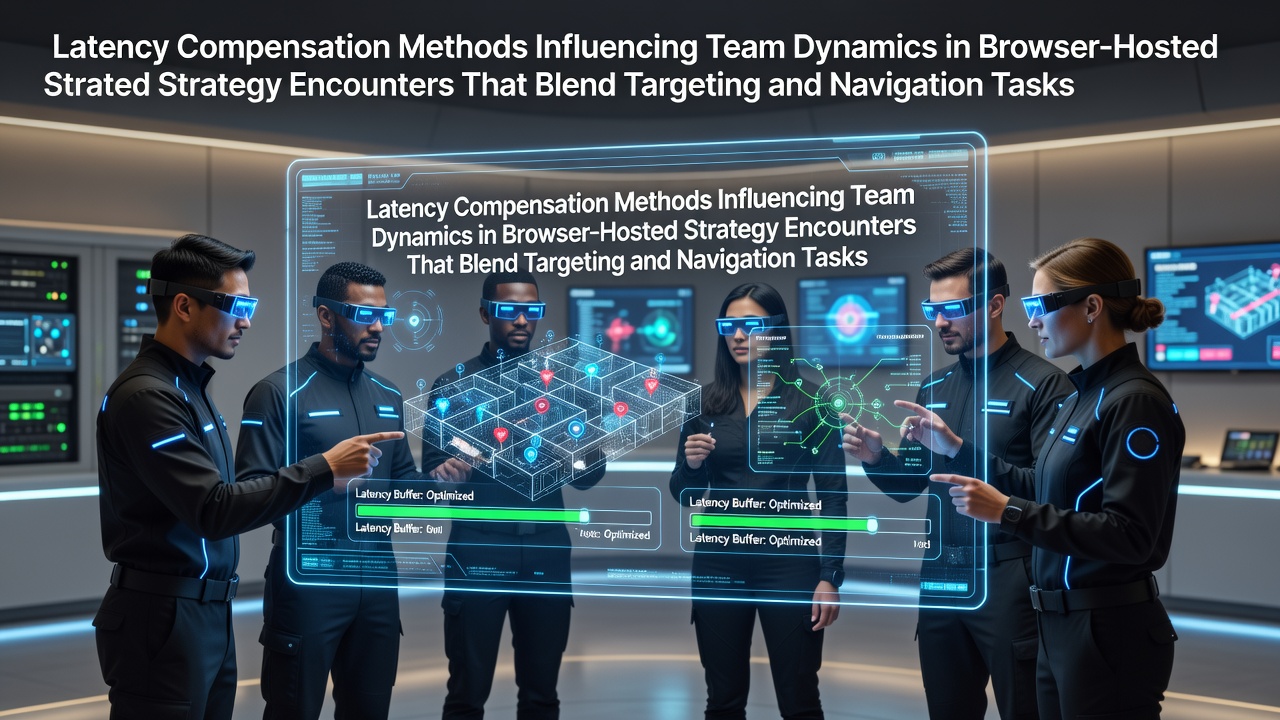 Browser-hosted strategy encounters that combine targeting accuracy with navigation challenges have grown in complexity over recent years. These games require players to coordinate precise shots while managing movement routes in real time, and latency compensation techniques play a central role in maintaining fairness across distributed connections. Data from industry reports indicate that such hybrid formats rely on methods like client-side prediction, server reconciliation, and lag interpolation to adjust for network delays that otherwise disrupt synchronized actions. Researchers at institutions across Europe and North America have documented how these techniques alter group coordination patterns. Client-side prediction allows individual browsers to simulate movement and targeting outcomes locally before server confirmation arrives, which reduces perceived input lag during navigation sequences. Yet this approach can create discrepancies when team members experience different delay levels, leading to mismatched expectations in joint targeting maneuvers.
Core Compensation Techniques in Hybrid Browser Formats
Server reconciliation stands as one primary method where the authoritative game state on the host corrects client predictions after each update cycle. In encounters blending route optimization with accuracy demands, this process ensures that navigation decisions align with collective team progress even when packet loss occurs. Studies from Australian research centers show that reconciliation frequency directly correlates with synchronization success rates in group sessions, particularly when players switch between movement and firing modes.
Interpolation fills gaps between received server states by estimating intermediate positions for both targets and navigation waypoints. This smoothing effect helps teams maintain visual consistency across browsers, though it introduces minor delays in fast-paced targeting scenarios. Observers note that teams using these methods often adjust their communication protocols to account for the slight visual offsets that arise during combined navigation and shooting sequences.
Effects on Group Coordination and Decision Making
Team dynamics shift noticeably when latency compensation engages differently for each participant. Players handling navigation tasks may see their routes validated faster through prediction algorithms, while those focused on targeting experience more frequent reconciliations that adjust shot trajectories. This division can prompt specialized roles within groups, where certain members prioritize movement planning while others refine aim adjustments based on compensated feedback.
Evidence from multiplayer platform analyses reveals that groups exposed to uneven compensation often develop backup strategies, such as staggered timing calls or redundant positioning checks. In June 2026, updates to several browser engines incorporated adaptive compensation that scales based on detected team latency variance, allowing more balanced interactions in these blended encounters.
Regional Research Findings and Implementation Patterns
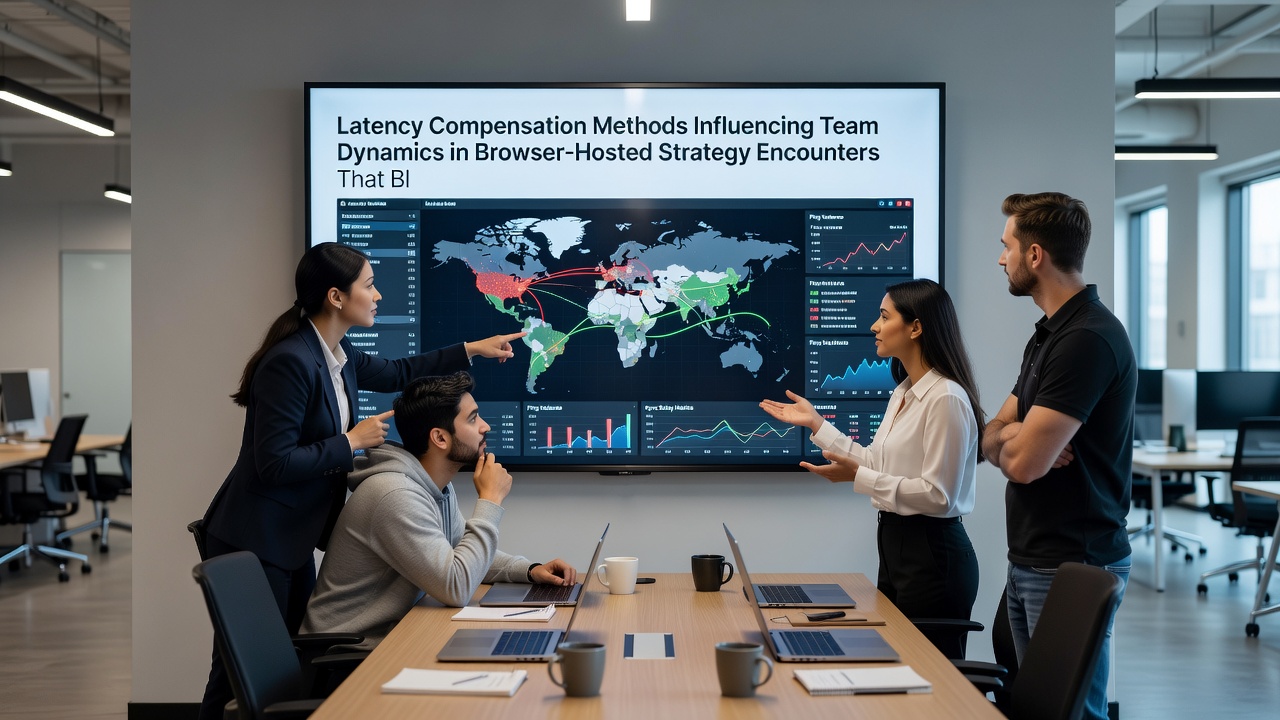
Academic work from Canadian universities has examined how browser-based systems apply these methods at scale. Their findings indicate that prediction windows set between 50 and 150 milliseconds improve navigation fluidity without compromising targeting precision in most tested scenarios. Teams operating under these parameters report fewer instances of desynchronized actions during extended play sessions.
Industry data compiled by groups like the Interactive Games and Entertainment Association in Australia further demonstrate that compensation adjustments influence role specialization. Groups that encounter consistent reconciliation tend to rotate navigation and targeting duties more fluidly, whereas variable latency leads to fixed assignments that persist across multiple matches. Research published in simulation and gaming journals supports these observations through controlled experiments involving browser clients.
Technical Adjustments in Current Browser Environments
Browser engines continue to refine WebRTC and WebSocket protocols to support more responsive compensation layers. These changes enable smoother integration of targeting feedback with navigation updates, reducing the cognitive load on teams that must process both elements simultaneously. Developers implement region-specific tuning to address typical connection profiles found in different geographic areas, which helps stabilize group performance across international servers.
Additional techniques such as entity interpolation for moving targets and rollback systems for missed shots appear in several active titles. Teams adapt by incorporating visual cues that signal when compensation has activated, allowing members to recalibrate their joint strategies without explicit discussion. Data collected through platform telemetry shows measurable improvements in completion rates for hybrid objectives when these signals are present.
Conclusion
Latency compensation methods continue to shape how teams navigate and target within browser-hosted strategy encounters. Through client prediction, server reconciliation, and interpolation, these systems address network variability while influencing role distribution and communication patterns among participants. Ongoing refinements, including those noted in June 2026 platform updates, point toward increasingly adaptive solutions that balance individual responsiveness with collective accuracy requirements in these blended formats.